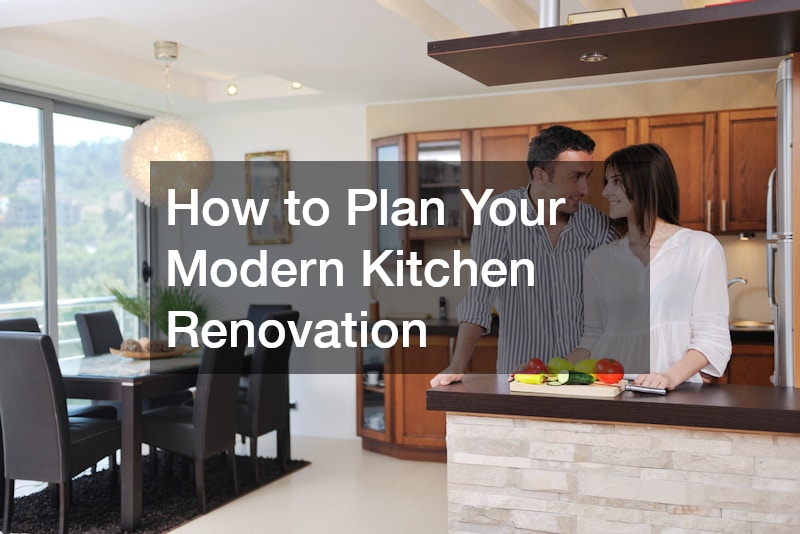
The kitchen is the undisputed heart of the home, a sanctuary where culinary creativity meets social connection. Embarking on a modern renovation is a journey that promises to transform your daily living experience while significantly boosting the market value of your property. Planning such an extensive project requires a delicate balance of aesthetic vision, technical knowledge, and logistical precision.
Defining the Modern Aesthetic and Project Scope

Before a single cabinet is removed, you must define what “modern” means for your lifestyle. Contemporary design is characterized by clean lines, a neutral color palette, and a focus on minimalism that eliminates unnecessary clutter. However, a modern space should never feel cold; it should feel intentional. Start by auditing your current workflow to see where the existing layout fails you. Do you need more prep space, or is the lack of seating for guests the primary issue? Answering these questions early prevents expensive mid-project pivots.
Once the vision is clear, the technical phase of the kitchen design begins to take shape. This involves more than just selecting paint swatches; it requires a deep look at the ergonomics of the space. Designers often talk about the “golden triangle” between the stove, sink, and refrigerator, but modern layouts often expand this into specific zones for baking, coffee prep, or homework. A well-thought-out plan ensures that multiple people can work in the room without stepping on each other’s toes.
Structural Integrity and Environmental Comfort
A truly modern kitchen is defined by its relationship with light and air. In older homes, kitchens were often tucked away in dark corners, but today’s layouts prioritize openness and visibility. If your current space feels cramped, consider whether you can remove non-load-bearing walls to connect the cooking area with the dining or living room. This creates a “great room” effect that is highly coveted in today’s real estate market and makes the home feel significantly larger than its square footage suggests.
Improving the building envelope is a critical step that homeowners often overlook in favor of cosmetic updates. If your kitchen is drafty or lacks natural light, a professional window replacement can be a game-changer. New, energy-efficient glass not only brightens the workspace but also helps regulate the temperature in a room that often gets quite hot during cooking. Choosing high-quality frames that match your modern aesthetic will provide a sleek, finished look both inside and out.
As you finalize the layout, think about how the room connects to the outdoors. Many modern renovations include the addition of sliding glass doors or large picture windows that frame the backyard like a piece of art. This connection to nature is a hallmark of contemporary architecture and can make your morning coffee feel like a retreat. Ensure that any structural changes are cleared with a local building department to maintain safety standards throughout the construction process.
Technical Infrastructure and Professional Trades

The most beautiful kitchen in the world is useless if the plumbing and gas lines are not up to modern standards. In many older homes, the existing infrastructure was never meant to handle high-output professional ranges or multi-cycle dishwashers. During the demolition phase, it is vital to inspect every pipe and wire. This is the only time you will have easy access to these systems, so it is the perfect moment to upgrade to copper or PEX piping and ensure your electrical panel can handle the load.
When you are moving the location of your sink or adding a pot filler over the stove, you must rely on a licensed plumber to ensure everything is leak-proof and compliant with local codes. Attempting to DIY complex water lines can lead to catastrophic water damage behind your expensive new cabinetry. A professional will also ensure that your drainage slopes are correct and that your venting systems prevent sewer gases from entering your home, which is a critical safety concern.
Furthermore, if you are upgrading from an electric coil stove to a high-performance blue-flame range, you will likely need new gas line installations to accommodate the increased BTU requirements. This work is highly regulated for a reason, as improper fittings can lead to dangerous leaks. Modern appliances often require larger diameter pipes than older models, so having a professional evaluate your gas manifold early in the project will prevent delays when it comes time for appliance delivery.
Cabinetry Selection and Storage Science
Cabinetry serves as the “furniture” of your kitchen, and in a modern design, the trend is toward flat-panel or “slab” doors that offer a seamless appearance. To achieve this look while maintaining durability, you need to choose your manufacturer carefully. Working with a reputable kitchen cabinets company allows you to customize the internal components of your storage. Instead of deep, dark base cabinets where items get lost, modern designs utilize wide drawers with heavy-duty glides that bring the contents out to you. These full-extension systems ensure that every inch of space is accessible, preventing the common frustration of losing Tupperware or heavy pots in the shadowy recesses of a standard cupboard.
Beyond the internal mechanics, the organizational philosophy of a modern kitchen focuses on “point-of-use” storage, where every tool is located exactly where it is needed. This means designing spice pull-outs next to the range and deep peg-system drawers for heavy porcelain plates near the dishwasher. By treating the cabinetry as a precision-engineered storage system rather than just a set of boxes, you reduce physical strain and shave minutes off your meal preparation time. A custom approach also allows for the integration of specialized lighting within the drawers themselves, which activates upon opening to provide a high-end, gallery-like feel to your most utilized storage zones.
- Integrated Appliances: Consider panel-ready refrigerators and dishwashers that blend into the cabinetry for a “hidden” look.
- Vertical Dividers: Perfect for storing baking sheets and cutting boards without stacking them.
- Appliance Garages: Keep blenders and toasters tucked away behind a lift-gate to maintain clear counters.
- Floating Shelves: Use these for frequently used dishes to add a sense of airiness to the wall.
- Toe-Kick Drawers: Utilize the space at the very bottom of the cabinets for flat items like placemats.
The hardware you choose—or the lack thereof—also plays a massive role in the final aesthetic. Many modern homeowners are opting for “push-to-open” mechanisms or integrated finger pulls that eliminate the need for traditional knobs and handles. This contributes to the “streamlined” look that is so central to contemporary style. Be sure to select finishes that are resistant to fingerprints, especially if you have children or pets, as matte black or brushed brass can sometimes show more wear than traditional chrome. Selecting high-performance laminates or textured wood veneers can also provide a tactile experience that softens the sharp edges of a minimalist layout.
Selecting High-Performance Surfaces

The surfaces in your kitchen are where the real work happens, and they must be able to withstand heat, knives, and spills without losing their luster. When selecting kitchen countertops, you must balance your desire for a specific look with the reality of how you live. For example, while marble is stunning, it is incredibly porous and prone to etching from acidic foods like lemons or wine. For a modern family, a material that offers beauty without the high-maintenance “babying” is usually the better choice. Making this decision early in the design phase is crucial because the weight and thickness of your chosen slab will dictate the structural support required from your base cabinetry.
Beyond mere aesthetics, finishes are excellent for hiding fingerprints and smudges, which is a major advantage in high-traffic kitchens with plenty of natural light. When planning your layout, consider extending the surface material up the wall as a full-height backsplash. This “slab splash” creates a seamless, high-end look that eliminates grout lines and makes the cooking zone feel much more expansive and architecturally significant.
If you love the look of natural stone but want something that can take a beating, a quartz countertop is often the top recommendation from designers. This engineered material is made from crushed stone bound with resin, creating a non-porous surface that never needs to be sealed. It is available in almost any color or pattern imaginable, including versions that mimic the delicate veining of Calacatta marble. Because it is manufactured, the slabs are consistent, which makes it easier to plan for seams in large islands. This predictability allows for book-matching, where the veining of two different slabs meets perfectly at a seam or an edge, creating a stunning visual centerpiece.
- Heat Resistance: Always use trivets, as the resin in engineered stone can be damaged by extreme heat.
- Ease of Cleaning: Usually, just a damp cloth and mild soap are all that is required for daily maintenance.
- Stain Resistance: Unlike granite or marble, quartz will not absorb liquids, preventing permanent staining.
- Edge Profiles: For a modern look, stick to “eased” or “mitered” edges rather than ornate traditional curves.
Specialty Flooring and Long-Term Maintenance
The floor is the foundation of your kitchen’s style, and it must be durable enough to handle dropped pots and heavy foot traffic. While hardwood is a classic choice, it can be susceptible to water damage in a kitchen environment. A more modern and incredibly durable alternative is an epoxy flooring service, which creates a seamless, liquid-applied surface that is virtually indestructible. This style is perfect for those who want an industrial or “lofty” feel, and it is available in a variety of metallic or flake finishes.
- Waterproofing: These floors create a non-porous barrier that prevents spills from reaching the subfloor.
- Slip Resistance: Additives can be mixed in to ensure the floor isn’t slippery when wet.
- Seamless Design: With no grout lines to scrub, cleaning becomes a simple task of mopping.
- Longevity: When properly applied, these floors can last decades without needing to be replaced.
If you choose to go the route of natural stone for your surfaces, you must be prepared for the specialized care they require. Even the hardest stones can become dull or stained if the protective barrier wears down over time. Hiring a professional granite countertop service once every few years is a smart investment to ensure your stone remains sealed against oils and bacteria. They can also buff out minor scratches and repair chips that might occur during heavy use, keeping your kitchen looking brand new.
Lighting, Tech, and Final Touches

No modern renovation is complete without a sophisticated lighting plan. This should be approached in three layers: task, ambient, and accent. Task lighting involves bright LEDs under the cabinets to illuminate your cutting boards. Ambient lighting usually consists of recessed “can” lights in the ceiling that provide a general wash of light. Finally, accent lighting—such as pendant lights over the island—acts as the “jewelry” of the room, adding a decorative element that ties the design together.
Smart home integration is another hallmark of the contemporary kitchen. From faucets that turn on with a voice command to ovens that can be preheated from your smartphone while you are at the grocery store, technology is making the kitchen more intuitive. Consider installing a charging station inside a drawer to keep phones and tablets off the counters, and look for “smart” refrigerators that can help you track expiration dates and create shopping lists. These features may seem like luxuries now, but they are quickly becoming standard expectations for modern buyers.
As the project nears completion, the “punch list” becomes your most important document. This is a list of all the tiny details that still need to be addressed, such as a crooked cabinet door, a missing piece of trim, or a paint touch-up. Do not make your final payment to your contractors until every item on this list is completed to your satisfaction. Taking the time to ensure the finishing touches are perfect is what separates a good renovation from a truly spectacular one.
Planning a modern kitchen renovation is a complex puzzle that requires patience, a clear vision, and the right team of professionals. By focusing on the structural foundations, investing in high-quality materials, and prioritizing functional storage, you can create a space that serves your family’s needs while reflecting your personal style. Remember that the best designs are those that balance current trends with timeless durability, ensuring that your investment remains relevant for years to come.