Reducing long-term kitchen maintenance starts with understanding how everyday use impacts materials, systems, and layout choices. Many kitchens look great when they are first completed, but hidden issues often emerge over time. Surfaces may stain, flooring can loosen, and systems may struggle to keep up with daily demands. These problems usually stem from decisions that focused on appearance over durability.
A low-maintenance kitchen is one that can handle frequent cooking, cleaning, and movement without constant attention. This means choosing materials that resist wear, layouts that support efficiency, and professional work that prevents future issues. When upgrades are selected with longevity in mind, homeowners spend less time fixing problems and more time enjoying their space.
The following upgrade options focus on durability, ease of care, and long-term performance. Each one plays a role in reducing upkeep while supporting a kitchen that remains reliable and functional for years.
Durable Surfaces That Resist Daily Wear

Choosing resilient surfaces is one of the most effective ways to reduce maintenance demands over the life of a kitchen, particularly in homes where cooking, entertaining, and everyday activity place constant stress on work areas. A granite countertop provides natural durability that allows it to tolerate heat, impact, and repeated use without showing immediate signs of damage. This resilience becomes especially valuable in kitchens that function as shared spaces rather than occasional-use rooms.
A properly sealed granite countertop also offers strong resistance to staining, which significantly lowers the risk of permanent discoloration caused by spills, oils, or acidic foods. Because routine care typically involves simple cleaning rather than specialised treatments, homeowners are less likely to fall behind on maintenance tasks that can otherwise compound over time. When upkeep feels manageable, surfaces are more likely to remain in good condition long term.
Beyond appearance, this surface contributes to long-term planning by reducing the likelihood of early replacement. Kitchens that rely on durable materials tend to avoid the cycle of repeated surface upgrades driven by cosmetic wear rather than functional failure. Over many years, that durability translates into fewer disruptions, lower costs, and a kitchen that continues to perform as intended.
Elegant Materials With Manageable Care Requirements
Aesthetic appeal does not automatically mean high maintenance, especially when material behaviour is well understood. Marble countertops can support long-term use when homeowners approach them with realistic expectations and consistent care habits. While the surface is softer than some alternatives, it responds predictably to maintenance rather than failing suddenly.
Regular sealing helps marble countertops resist moisture and staining, which reduces the likelihood of deep surface damage. When cleaning methods are gentle and spills are addressed promptly, the surface maintains its integrity without requiring constant professional attention. Over time, these habits become routine rather than burdensome.
Another advantage lies in repair flexibility. Minor surface changes can often be addressed through refinishing rather than full replacement, allowing homeowners to refresh the appearance without extensive disruption. This ability to maintain rather than replace makes the material more manageable over the long term than its reputation might suggest.
Layout Choices That Prevent Premature Damage
The way a kitchen is organised has a lasting impact on how materials age and how frequently repairs become necessary. Thoughtfully planned kitchen designs prioritise movement, access, and workflow rather than relying solely on visual trends that may not support daily use. When tasks can be completed efficiently, surfaces and fixtures experience less physical stress over time.
Well-considered kitchen designs also help distribute wear more evenly across the space. Instead of concentrating activity in narrow or awkward zones, balanced layouts reduce congestion that often leads to accidental impacts, strained hardware, and uneven flooring wear. These design choices quietly protect materials without requiring any ongoing effort from the homeowner.
Another long-term benefit is adaptability. Kitchens evolve as household needs change, and layouts that allow flexibility make future adjustments easier and less invasive. When systems and storage areas remain accessible, maintenance tasks are simpler to complete and less likely to be postponed, which directly supports long-term durability.
Engineered Surfaces Built for Consistency
Engineered materials are often selected specifically for predictability, which plays a major role in reducing maintenance uncertainty. Quartz countertops are manufactured to provide consistent performance across the entire surface, eliminating many of the variables associated with natural materials. This uniformity helps homeowners plan care routines with confidence.
Because quartz countertops are non-porous, they resist moisture penetration that commonly leads to staining and bacterial growth. This characteristic removes the need for periodic sealing and reduces the chance of hidden damage developing beneath the surface. Maintenance becomes straightforward rather than precautionary.
Over the long term, engineered consistency reduces surprise repairs. When materials behave the same way year after year, homeowners are less likely to encounter unexpected failures that require immediate attention. This reliability supports a kitchen environment that feels stable and easy to manage.
Professional Plumbing That Prevents Future Issues
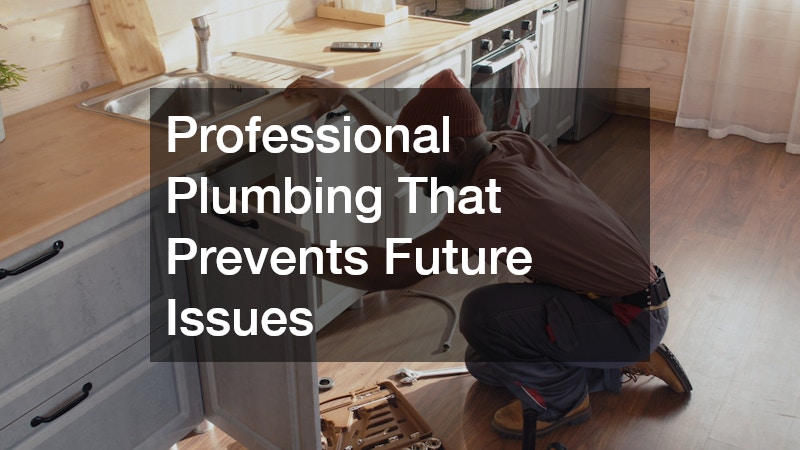
Plumbing is often one of the most overlooked elements of kitchen maintenance, yet it can create significant long-term problems if not installed and serviced properly. Hiring licensed plumbers ensures that connections, valves, and fixtures meet current standards, which reduces the risk of leaks, water damage, and associated material deterioration. Properly executed installations lay the foundation for a kitchen that requires minimal intervention over time.
Experienced licensed plumbers also evaluate existing systems for hidden vulnerabilities. Detecting potential weaknesses before they become actual problems can prevent extensive damage to cabinets, flooring, and walls. By addressing minor concerns proactively, homeowners avoid emergency repairs that are typically more invasive and costly.
In addition to immediate protections, professional plumbing supports long-term reliability and flexibility. Systems installed correctly are less likely to require repeated adjustments or emergency servicing, which reduces stress on both the homeowner and the surrounding materials. Furthermore, well-documented installations simplify future upgrades or modifications, allowing improvements to be made without dismantling large portions of the kitchen. Thoughtful, professional plumbing work pays dividends in both performance and reduced maintenance needs.
Flooring Installed for Long-Term Stability
Kitchen flooring must tolerate constant movement, frequent cleaning, and exposure to moisture without shifting or deteriorating prematurely. Professional floor installation ensures that materials are properly aligned, secured, and supported from the start, which is essential for long-term performance. Installation quality often matters more than material choice when it comes to durability.
High-quality floor installation helps maintain level surfaces and tight seams, which reduces the accumulation of dirt and debris that accelerates wear. Even flooring also makes routine cleaning more effective, preventing grime from settling into gaps that are difficult to reach. These small advantages compound over time.
Another critical factor is subfloor preparation. Proper installation protects against moisture-related issues that can affect not only the floor itself but also surrounding cabinetry and walls. Addressing these concerns early prevents extensive repairs later and supports overall kitchen longevity.
Water Quality Improvements That Protect Fixtures
Water quality plays a surprisingly large role in both the immediate functionality and long-term durability of kitchen systems. Installing effective water filtration reduces mineral buildup that can otherwise damage faucets, sinks, and appliances over time, while also improving water taste and consistency. When deposits are minimised, the surrounding surfaces remain cleaner, and homeowners can complete routine maintenance without fighting persistent residue or discoloration.
With consistent water filtration, appliances experience less internal scaling, which enhances efficiency and lowers the likelihood of breakdowns. This means dishwashers, refrigerators, and coffee machines operate under less stress, prolonging their useful life. Over the long term, reducing these hidden stresses helps prevent small issues from escalating into costly repairs, creating a more reliable kitchen environment.
Another advantage of filtered water is its impact on cleaning routines. Surfaces exposed to filtered water require less intensive scrubbing, which reduces wear caused by harsh chemicals or abrasive methods. In addition, proper water filtration contributes to the health of plumbing and fixtures, protecting internal pipes and valves from corrosion and mineral damage that can shorten their lifespan. The combination of cleaner surfaces and reduced internal stress makes water filtration a subtle but highly effective long-term maintenance strategy.
Window Care That Preserves Kitchen Conditions
Windows are integral to both comfort and long-term material preservation in a kitchen. Routine residential window cleaning removes dirt, grime, and mineral deposits that can compromise seals, frames, and panes over time. Keeping windows clean allows them to operate smoothly and maintain thermal efficiency, which helps regulate indoor conditions that directly affect cabinetry, flooring, and other finishes.
Consistent residential window cleaning also provides opportunities for early detection of issues such as seal degradation, minor cracks, or frame warping. Identifying and repairing these problems promptly prevents moisture infiltration that can lead to hidden damage and mold growth. Addressing such concerns early is far less invasive than waiting for visible deterioration, and it protects the kitchen’s long-term integrity.
Beyond maintenance and detection, well-cared-for windows contribute to overall kitchen performance. They improve light quality, reduce drafts, and maintain a stable indoor environment, which in turn protects materials from extreme temperature fluctuations or humidity-related warping. Regular care thus preserves both functionality and aesthetics, reinforcing a kitchen that remains low-maintenance and comfortable over the years.
Electrical Work That Supports Modern Demands
Electrical systems are critical to modern kitchens, yet they are often neglected in long-term maintenance planning. Hiring a residential electrician ensures that circuits, outlets, and connections are installed safely, efficiently, and to code. Properly configured systems reduce the risk of appliance malfunction, prevent overloads, and protect both fixtures and surfaces from heat or electrical damage.
A knowledgeable residential electrician also plans for future expansion or appliance upgrades. Adequate capacity and thoughtful layout mean that as household needs evolve, the kitchen can accommodate changes without excessive rewiring or disruption. This foresight reduces strain on existing components and minimizes maintenance interventions over time.
Another benefit of professional electrical work is ease of service. Well-organized wiring allows quick access for troubleshooting, repairs, or enhancements, which lowers the time and complexity of future interventions. Reliable electrical systems prevent downtime and reduce stress on appliances, ultimately supporting a kitchen environment that remains functional, safe, and low-maintenance for years to come.
Drain Maintenance That Prevents Damage
Drains are one of the most critical, yet often overlooked, components in maintaining kitchen health and durability. A routine drain cleaning service ensures pipes remain clear of buildup that can cause clogs, backups, and water damage. Keeping drains unobstructed allows water to flow smoothly, protecting both visible and hidden components from excess moisture.
A professional drain cleaning service also removes corrosive buildup that can shorten pipe lifespan and increase the likelihood of leaks. By addressing these risks proactively, homeowners reduce the chance of sudden failures that often necessitate costly and invasive repairs. Preventive care ensures that minor issues are managed before they escalate into major maintenance events.
Consistent attention to drains also protects surrounding cabinetry, flooring, and appliances. Water backups are one of the leading causes of long-term damage in kitchens, affecting not only the plumbing system but also structural and surface materials. Routine maintenance, combined with professional service, creates a long-term protective framework that preserves the entire kitchen environment while minimizing disruption. Regular drain care also reduces the buildup of harmful bacteria and unpleasant odors, which can compromise both hygiene and comfort in the kitchen. Over time, this preventive approach extends the life of connected appliances, such as dishwashers and sinks, by ensuring they operate under optimal conditions.
Reducing long-term maintenance in a kitchen requires careful attention to both materials and systems, with a focus on durability, accessibility, and proactive care. Each upgrade—from resilient surfaces to engineered countertops, from thoughtful layouts to professional plumbing and electrical systems—contributes to a space that remains functional, attractive, and easy to manage over time. The combination of quality materials, strategic design, and regular maintenance ensures that the kitchen performs reliably and remains a pleasure to use year after year.
By prioritizing long-term planning and professional installation, homeowners can avoid costly, disruptive repairs while supporting an environment where daily routines flow smoothly. Low-maintenance kitchens are not simply about convenience—they are a reflection of foresight and care, providing both immediate benefits and lasting value for years to come. Thoughtful choices in materials, design, and maintenance routines create a space that not only functions efficiently today but also remains durable and enjoyable for the future.